Hooligan
Learn Korean through music with expressions, meanings and selected lines from Hooligan by BTS (방탄소년단)
Watch the full music video here
Section 2 - Crowd Energy & Performance Atmosphere
When Chaos Becomes Collective
Selected Lyric Moment
다들 모여 하나 둘
Every one o' you a muse
Romanization
Dadeul moyeo hana dul
Natural Interpretation
This section shifts the energy outward. The atmosphere becomes louder and more collective, almost like the crowd itself becomes part of the performance and emotional intensity. The use of “muse” adds another layer, suggesting inspiration can come from chaos, people, movement, and shared energy.

This track is part of BTS's "Arirang" album. Want to explore the complete album experience?
View on Amazon| Korean | Meaning | Notes |
|---|---|---|
| 다들 | everyone | casual collective expression |
| 모여 | gather together | movement toward unity |
| 하나 둘 | one, two | rhythmic counting phrase |
Korean Learning Note
“하나 둘” is one of the most recognizable counting patterns in conversational Korean. In songs and performances, it often creates momentum, anticipation, and crowd participation energy.
Performance Insight
This section feels highly performance-oriented. The rhythm sounds designed for live interaction, almost encouraging synchronized movement between performer and audience. That collective emotional energy is a huge part of Korean performance culture.
Section 3 - Language Mixing in BTS Music
Why BTS Mixes English and Korean
One of the most interesting aspects of modern Korean music is the intentional blending of languages. In songs like “Hooligan,” English phrases often intensify attitude, create rhythm contrast, increase memorability, or sharpen emotional impact. Meanwhile, Korean sections usually carry emotional nuance, imagery, storytelling detail, and cultural tone. This balance creates a layered listening experience for both Korean and international audiences.
Section 4 - Korean Pronunciation Patterns in Fast Songs
Listening Like a Native Speaker
Fast Korean songs often sound difficult because pronunciation changes naturally during rapid delivery. Some common patterns include softened consonants, connected syllables, shortened vowel sounds, and compressed rhythm groups. This means Korean lyrics may sound very different from textbook pronunciation during songs.
The best way to improve comprehension is repeated listening, shadowing the rhythm, and focusing on sound groups instead of isolated words.
Section 5 - Emotional Themes in “Hooligan”
Controlled Chaos
One of the central emotional feelings in the song is controlled instability. The track constantly shifts between confidence, aggression, excitement, emotional disorder, crowd energy, and freedom. Instead of sounding perfectly polished emotionally, the song embraces roughness and unpredictability. That emotional turbulence becomes part of the identity of the track itself.
Section 6 - Korean Expression Spotlight
Expression Focus — 통제 불능
Meaning “Out of control”
This expression sounds intense because it implies loss of restraint, emotional overflow, and inability to maintain order. In music, phrases like this create dramatic emotional imagery very quickly.
Similar Emotional Expressions
| Korean | Approximate Feeling |
|---|---|
| 정신없어 | mentally chaotic |
| 미치겠어 | going crazy |
| 숨 막혀 | suffocating emotionally |
Section 7 - Listening Challenge
Can You Hear the Rhythm Compression?
Focus on how syllables blend together during faster lines. Instead of hearing each syllable separately, try listening for emotional pacing, breath patterns, and rhythmic grouping. This helps Korean listening comprehension develop more naturally.
Section 8 - Hidden Confidence & Unspoken Understanding
The Power of Saying Less
굳이 mal an haedo aljana
Romanization
Gudi mal an haedo aljana
Natural Interpretation
This line introduces a completely different emotional texture compared to the explosive sections surrounding it. Instead of chaos and movement, the atmosphere briefly becomes more confident and intimate, almost as if mutual understanding already exists without needing explanation. The emotional tone feels effortless and self-assured.
| Korean | Meaning | Nuance |
|---|---|---|
| 굳이 | deliberately / unnecessarily | implies something is not needed |
| 말 | words / speech | communication |
| 안 해도 | even without doing / saying | absence of explanation |
| 알잖아 | you already know | familiar, emotionally confident tone |
Korean Expression Insight
“알잖아” is extremely common in conversational Korean. It carries the feeling of “you know that already,” “you understand what I mean,” or “I don’t need to explain.” Depending on tone, it can sound playful, emotional, confident, teasing, or intimate.
Pronunciation Note
In natural speech, “말 안 해도” often flows together smoothly and sounds less separated than textbook pronunciation. Native delivery tends to compress the rhythm naturally, especially in fast musical sections.
Emotional Insight
This line creates emotional contrast. The song spends much of its energy feeling loud and explosive, but this moment briefly feels calmer and more self-aware. That contrast helps the surrounding chaos feel even stronger.






Section 9 - Destruction, Rebellion & Aggressive Energy
Breaking Limits Without Restraint
Selected Lyric Moment
때려 부숴 like hooligan
Romanization
Ttaeryeo buswo like hooligan
Natural Interpretation
This phrase carries raw rebellious energy. Rather than sounding controlled or restrained, the expression feels explosive and destructive, reinforcing the “hooligan” identity presented throughout the track. The emotional delivery feels intentionally rough and unapologetic.
| Korean | Meaning | Emotional tone |
|---|---|---|
| 때려 | hit / strike | aggressive action |
| 부숴 | break / smash | destruction |
| hooligan | chaotic rebel | reckless identity |
Cultural Insight
Aggressive action verbs appear frequently in high-energy Korean rap and performance music. However, they are often used symbolically rather than literally. Expressions involving destruction can represent emotional release, rebellion, breaking limits, rejecting control, or explosive confidence.
Performance Energy Analysis
This line feels designed for crowd impact. The short syllables and sharp consonants create a punch-like rhythmic effect that works especially well during live performances.
Section 10 — Time Pressure & Sudden Movement
Pushing Forward at Full Speed
Selected Lyric Moment
시간 됐으니 좀 비켜 좀
Romanization
Sigan dwaesseuni jom bikyeo jom
Natural Interpretation
This moment creates urgency. The phrase feels like pushing through a crowd or demanding space before something explosive happens. The energy becomes fast, impatient, and forceful.
| Korean | Meaning | Nuance |
|---|---|---|
| 시간 | time | timing / moment |
| 됐으니 | since it’s time | transition phrase |
| 좀 | a bit / please | softener depending on tone |
| 비켜 | move aside | command expression |
Korean Learning Note
“비켜” is a direct casual command meaning “move,” “step aside,” or “get out of the way.” In intense songs, it often sounds aggressive or urgent.
Pronunciation Insight
The repeated “좀” softens the rhythm slightly, even though the overall emotional tone still feels commanding. This mix of softness and force is very common in spoken Korean rhythm.
Emotional Insight
This line feels cinematic. It creates the sensation of momentum building forward, almost like the performer is cutting through noise, crowds, and hesitation without slowing down.
Section 11 — Short but Powerful Korean Fragments
Small Words, Heavy Impact
Selected Lyric Moment
이상 무
Romanization
Isang mu
Natural Interpretation
Even though this phrase is extremely short, it adds a surprisingly sharp and official feeling to the song. The expression sounds almost military or procedural, creating contrast against the surrounding chaos. Combined meaning: “No issues” or “All clear.”
Cultural Insight
Very short Korean expressions can carry strong tonal impact because of context and delivery. In songs, brief phrases like this often intensify rhythm, create dramatic pauses, or add cinematic atmosphere.
Section 12 - Why the Korean Lines Feel So Powerful
How Language Contrast Shapes Emotion
Most of the song moves through English phrases and rhythmic hooks. Because of this, the Korean lines stand out more intensely whenever they appear. The Korean sections often carry emotional sharpness, attitude, imagery, tension, or dramatic emphasis. This contrast creates a layered listening experience where the language switch itself becomes part of the song’s emotional rhythm.
FINAL LISTENING EXPERIENCE
“Hooligan” feels intentionally chaotic.
The song blends crowd energy, rebellious confidence, emotional instability, rhythmic aggression, and performance intensity.
For Korean learners, this creates an interesting challenge:
The Korean sections are brief, but emotionally dense. That makes the song especially useful for pronunciation training, slang exposure, emotional vocabulary, and rhythm-based listening practice.
Happy learning!
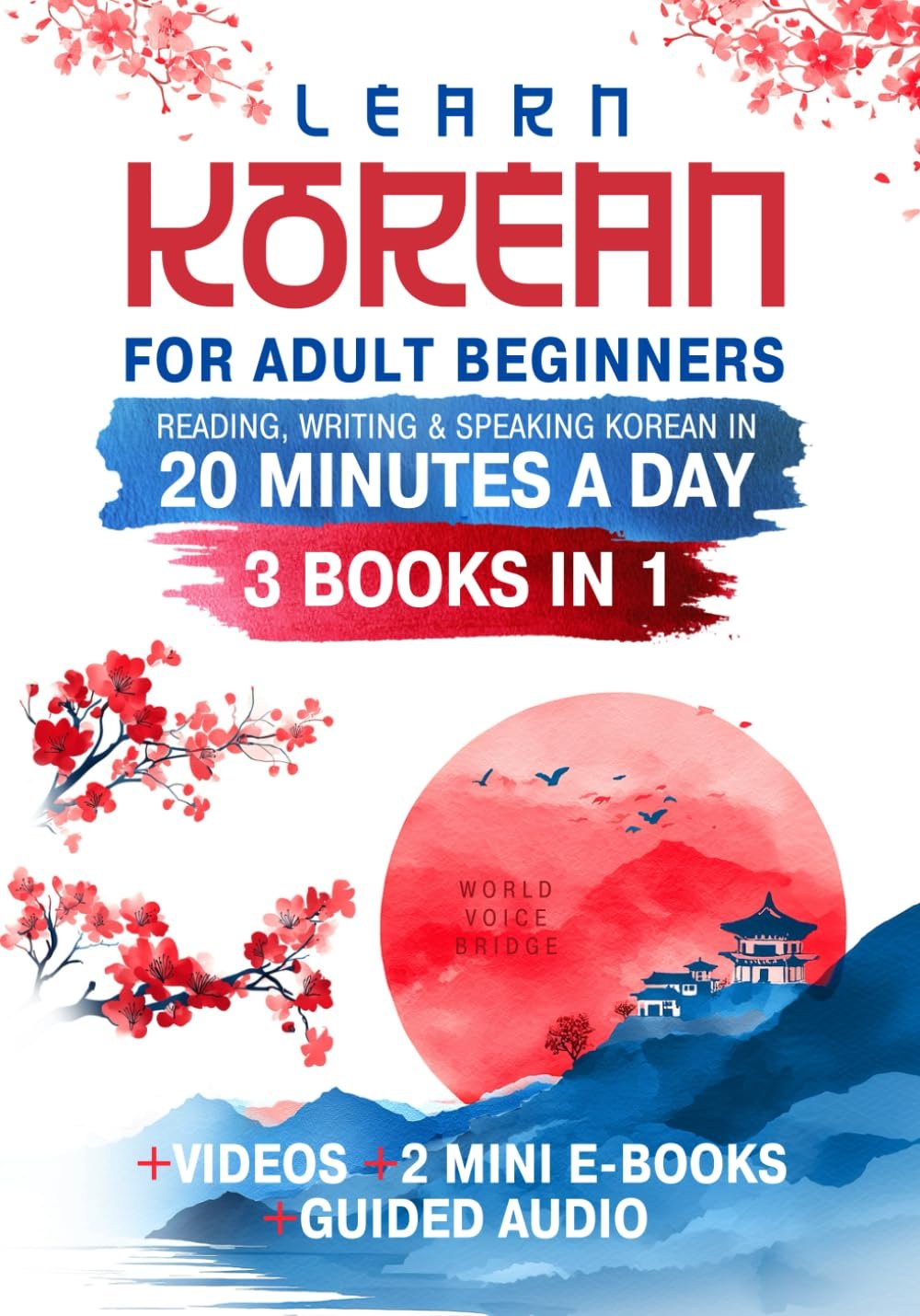
Studying Korean? This book will be your best friend!
View on AmazonSome links on this site may be affiliate links, meaning I may earn a small commission at no extra cost to you.
CONTINUE EXPLORING
Continue Exploring Korean Through Music
Music can teach language in ways textbooks never could.
About the project
Our goal is to bring fans closer to the K-pop universe through lyrics, translations and romanized versions organized in a modern and accessible way. Beyond exploring songs and artists, our blog also helps fans learn Korean through music by teaching expressions, vocabulary and meanings used in lyrics in a light, fun and educational experience.